[SYS.TOPIC.CLAUDE]
ClaudeCode.
Learn Claude Code with a complete tutorial, practical workflows, comparisons, MCP examples, and a private session viewer built from daily use.
Claude Code is Anthropic's agentic coding tool for reading a codebase, editing files, running commands, and completing multi-step software tasks. This hub collects the tutorials, comparisons, tools, and real workflows I use to make it productive.
Start with the complete guide for installation, CLAUDE.md, plan mode, skills, MCP servers, subagents, hooks, and worktrees. Then use the focused resources below when you need to extend Claude Code, inspect a saved session, or compare it with Codex and Cursor.
Last updated
[START.HERE]
The best place to begin
GUIDE // PRIMARY RESOURCE
Claude Code Tutorial: Complete Guide (2026)
The complete setup and workflow reference, from installation through agent teams and worktrees.
OPEN RESOURCEInstall Claude Code and choose a plan
Get the current installer for your operating system, understand the paid options, and move into a complete day-to-day workflow.
Claude Code Install and Setup Guide (2026)
Install Claude Code on macOS, Linux, native Windows, or WSL, then verify the binary and sign in.
Claude Code Pricing and Limits (2026)
Compare Pro, Max, API billing, usage limits, and the real cost of a coding session.
Claude Code Tutorial: Complete Guide (2026)
Continue from setup into CLAUDE.md, plan mode, skills, MCP servers, hooks, subagents, and worktrees.
Understand the Claude Code workflow
Learn how Claude Code stores its work, how to structure a repository for agents, and how to audit a session without uploading private code.
CLAUDE.md Examples and Templates (2026)
Copy practical CLAUDE.md templates and learn how to scope project instructions, imports, validation rules, and monorepo guidance.
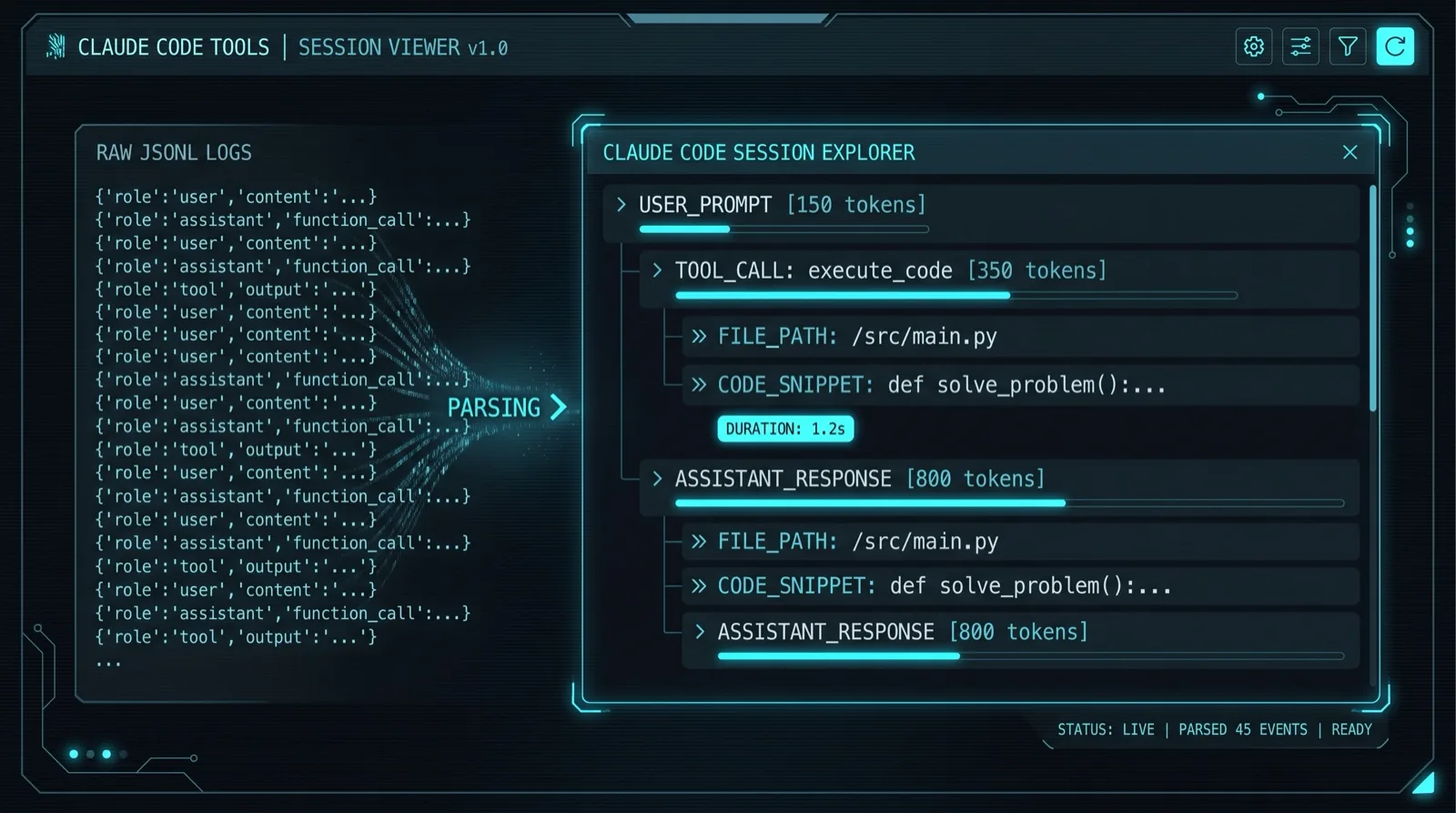
Claude Code Session Files: JSONL Format (2026)
Understand the JSONL files, token accounting, and subagent traces Claude Code saves locally.
Claude Code Session Viewer
Open Claude Code session files locally in a private, browser-based trace viewer.
Structuring Projects and Repos for AI Agents
Set up project instructions, architecture boundaries, and validation so coding agents stay useful.
Extend Claude Code with real capabilities
Connect Claude Code to external models and services through MCP, then keep the entire workflow inside the same coding session.

Can Claude Analyze YouTube Videos? (2026)
Let Claude summarize, transcribe, search, and answer questions about public YouTube videos.
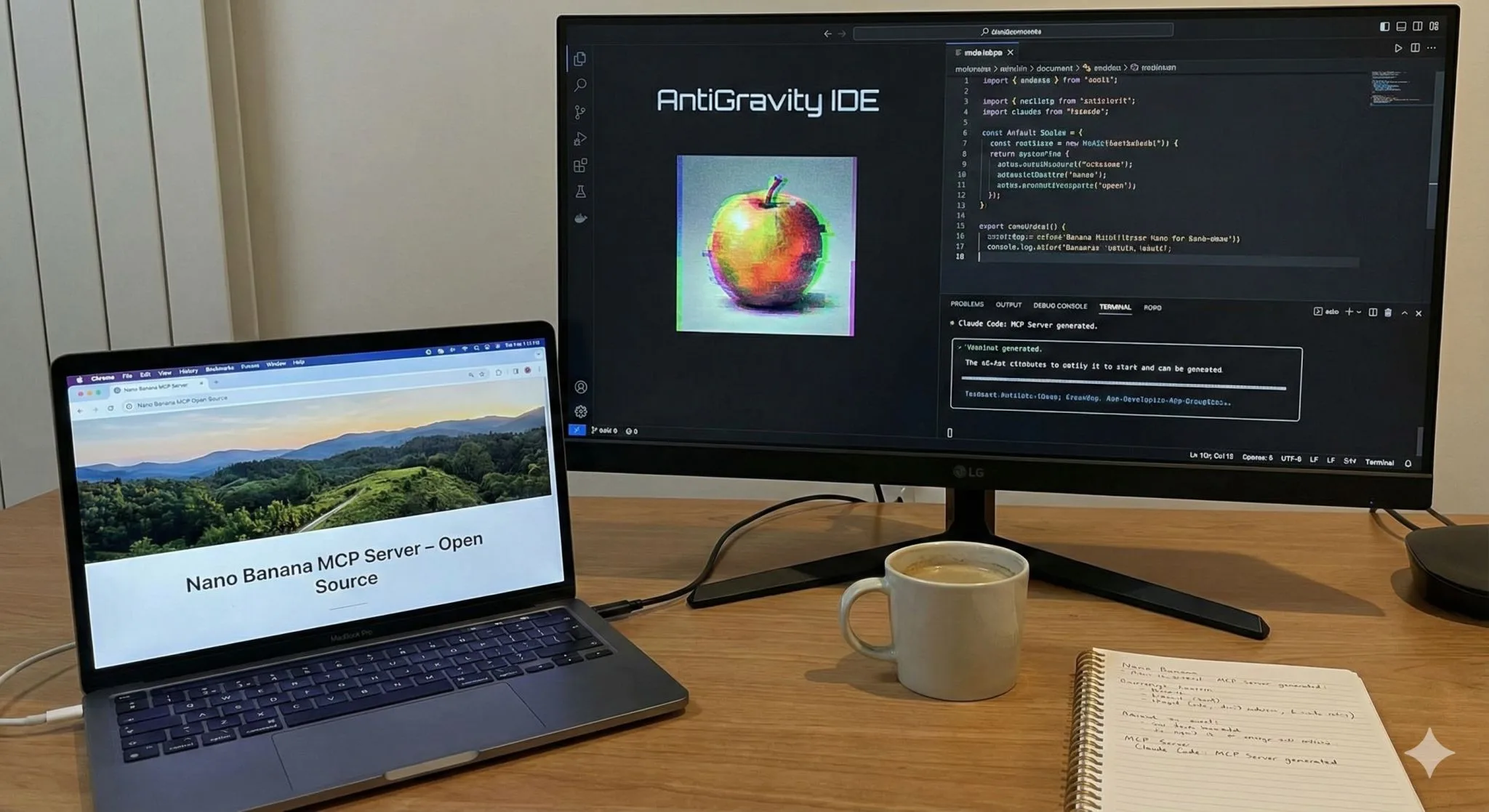
Can Claude Generate Images? (2026)
Understand Claude's image limits and connect an image generation MCP server.
Image Generation MCP Server (Gemini)
Use the open-source Gemini image generation server from Claude Code or another MCP client.
Compare Claude Code with other coding agents
Choose the right coding agent for the job with hands-on comparisons, free alternatives, and long-horizon Codex workflows.
Claude Code Alternatives: 7 Picks (2026)
Compare Codex, OpenCode, Oh My Pi, and other free or open alternatives.
Claude Code vs Codex vs Cursor (2026)
See where Claude Code, Codex, and Cursor each fit in a daily development workflow.

Codex /goal: How to Enable and Use It (2026)
Learn the long-horizon Codex workflow that has no direct Claude Code equivalent.
[RELATED.TOPIC]
Continue with Model Context Protocol
Learn Model Context Protocol with practical guides, an online MCP inspector, current specification coverage, and open-source servers for Claude and AI agents.
EXPLORE MODEL CONTEXT PROTOCOLFrequently asked questions
What actually is Claude Code?
Claude Code is Anthropic's agentic coding tool. It reads a repository, edits files, runs terminal commands, and works through multi-step software tasks from a terminal, IDE, desktop app, or browser.
Is Claude Code free to use?
Claude Code is not a permanently unlimited free service. Access depends on Anthropic's current Claude plans or usage-based API billing, so check the current plan terms before choosing a setup.
Is ChatGPT or Claude better for coding?
Neither is best for every coding task. Claude Code is strong for fast conversational work and frontend iteration, while OpenAI's Codex is often better for comprehensive backend changes and long-running autonomous tasks.
What is the use of Claude Code?
Claude Code is used to explore codebases, implement features, debug failures, run tests, review changes, automate repetitive engineering work, and call connected tools through MCP.