SYS.BLOG
VR Education Toolkit: HackIllinois 2018 Winner
My HackIllinois 2018 team project: a VR Education Toolkit that lets educators build VR lessons without coding. Won the Fulcrum GT commercial viability prize.
Me and my team (David Hickox, Alchaeus Lam, and Luke Stumpf) built a VR Education Toolkit at HackIllinois 2018 in 36 hours. The goal: let educators create immersive VR lessons without writing a single line of code or modeling anything from scratch.
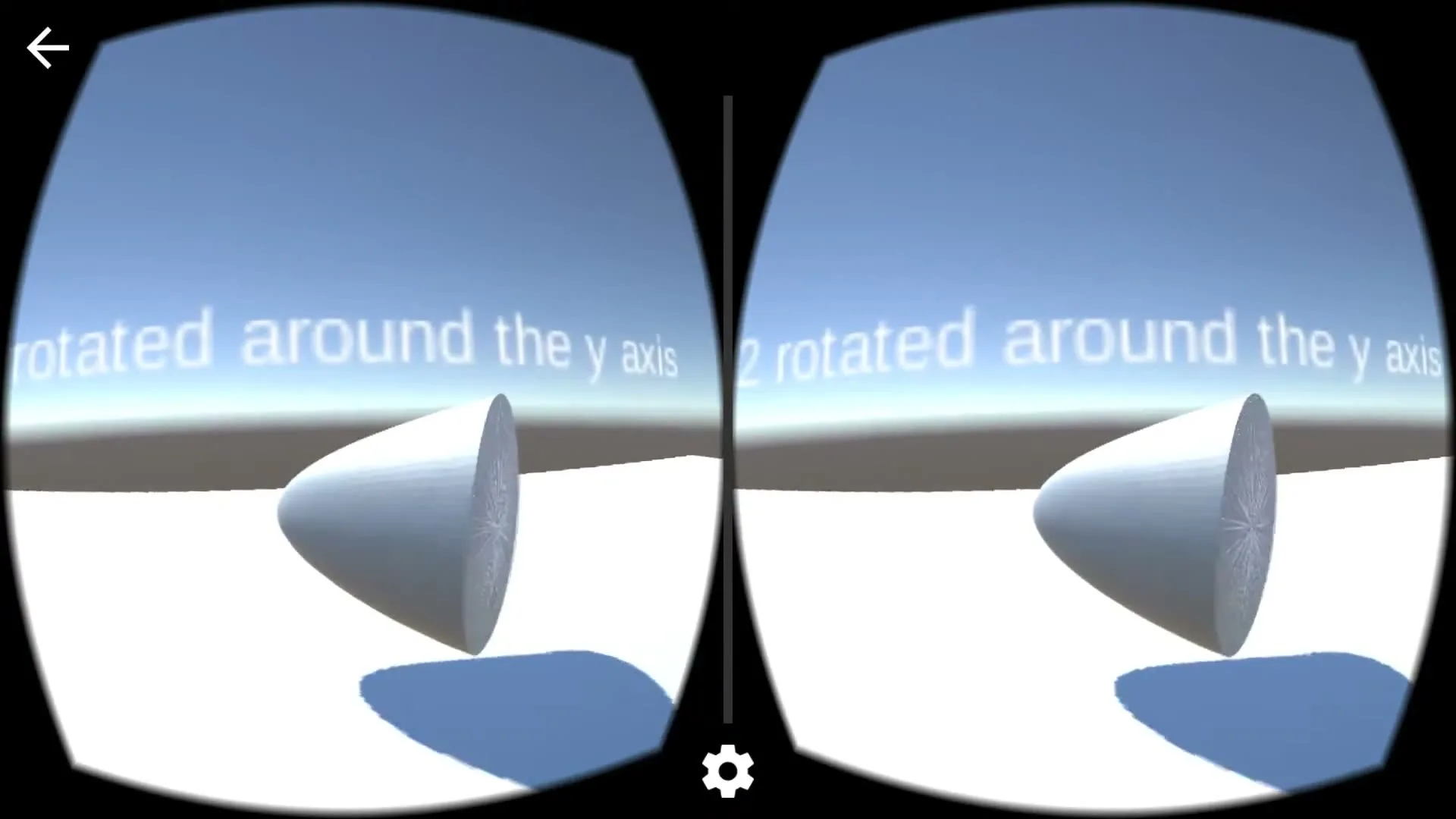
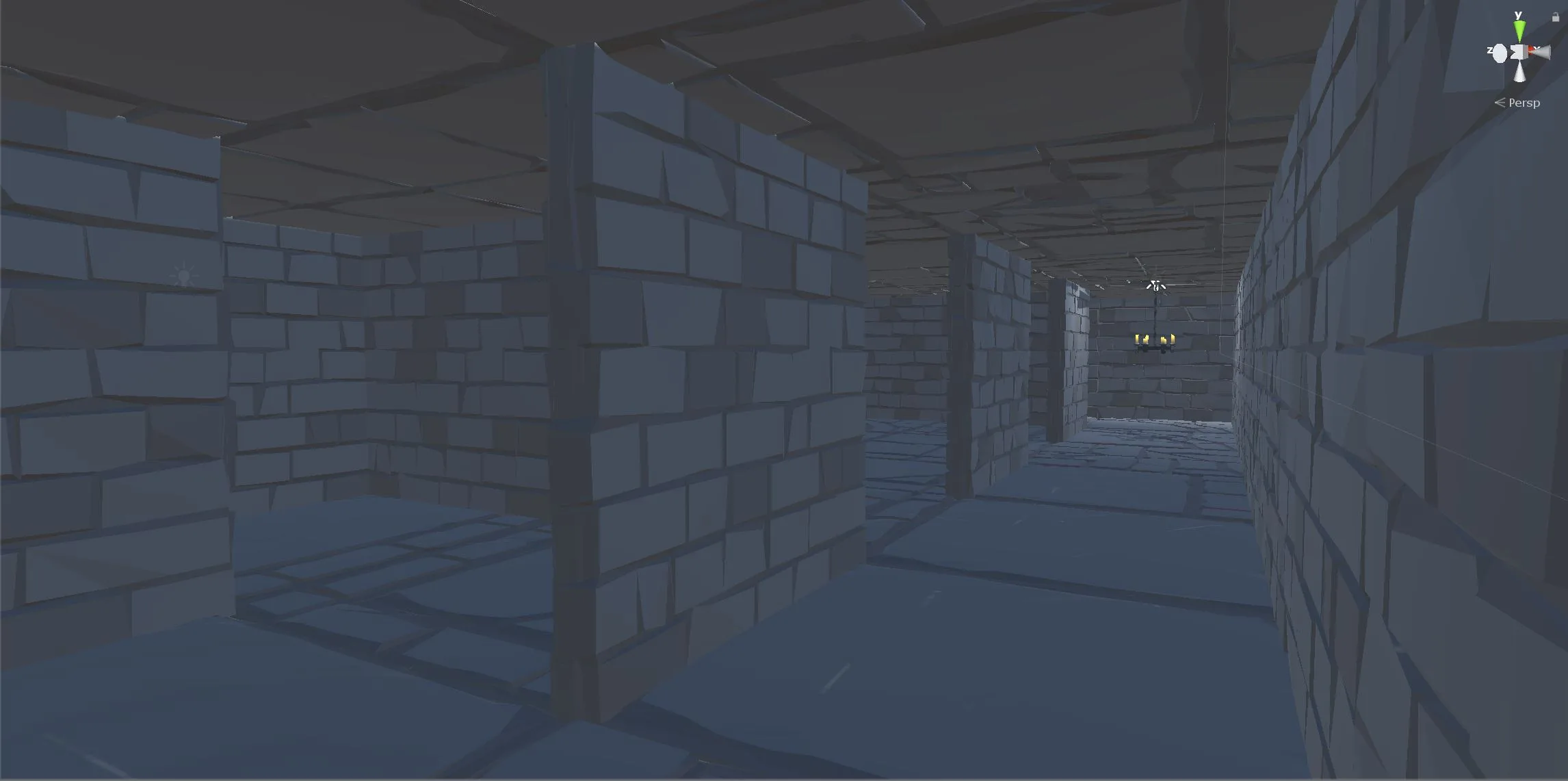
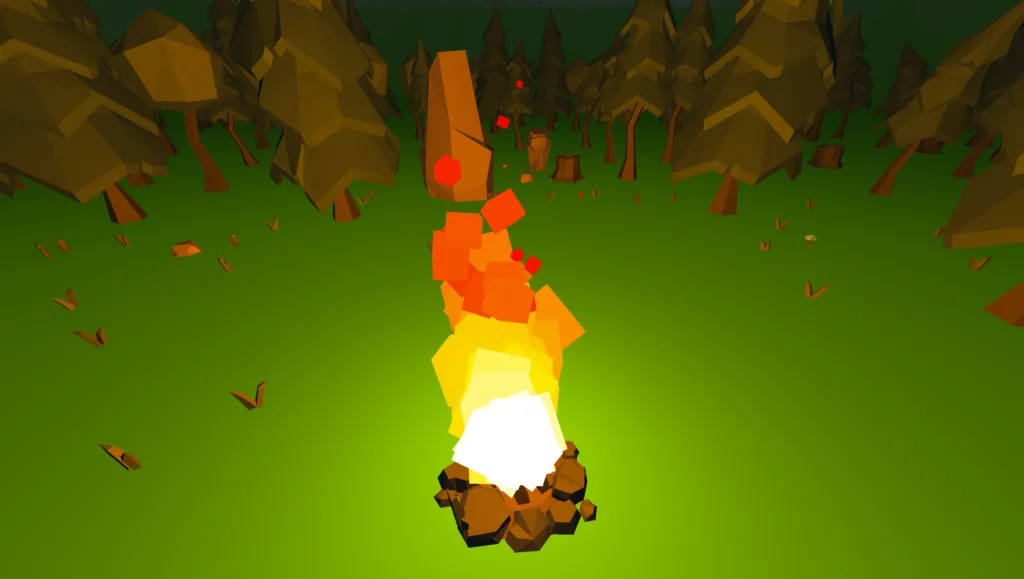
The toolkit is built on Unity and uses a no-code, drag-and-drop system. Teachers pull in 3D assets from Google Poly, Tilt Brush, and Google Blocks, drop them into preconfigured scenes, and publish. It also supports 360-degree videos as environments, useful for virtual field trips or contextual introductions before jumping into 3D.
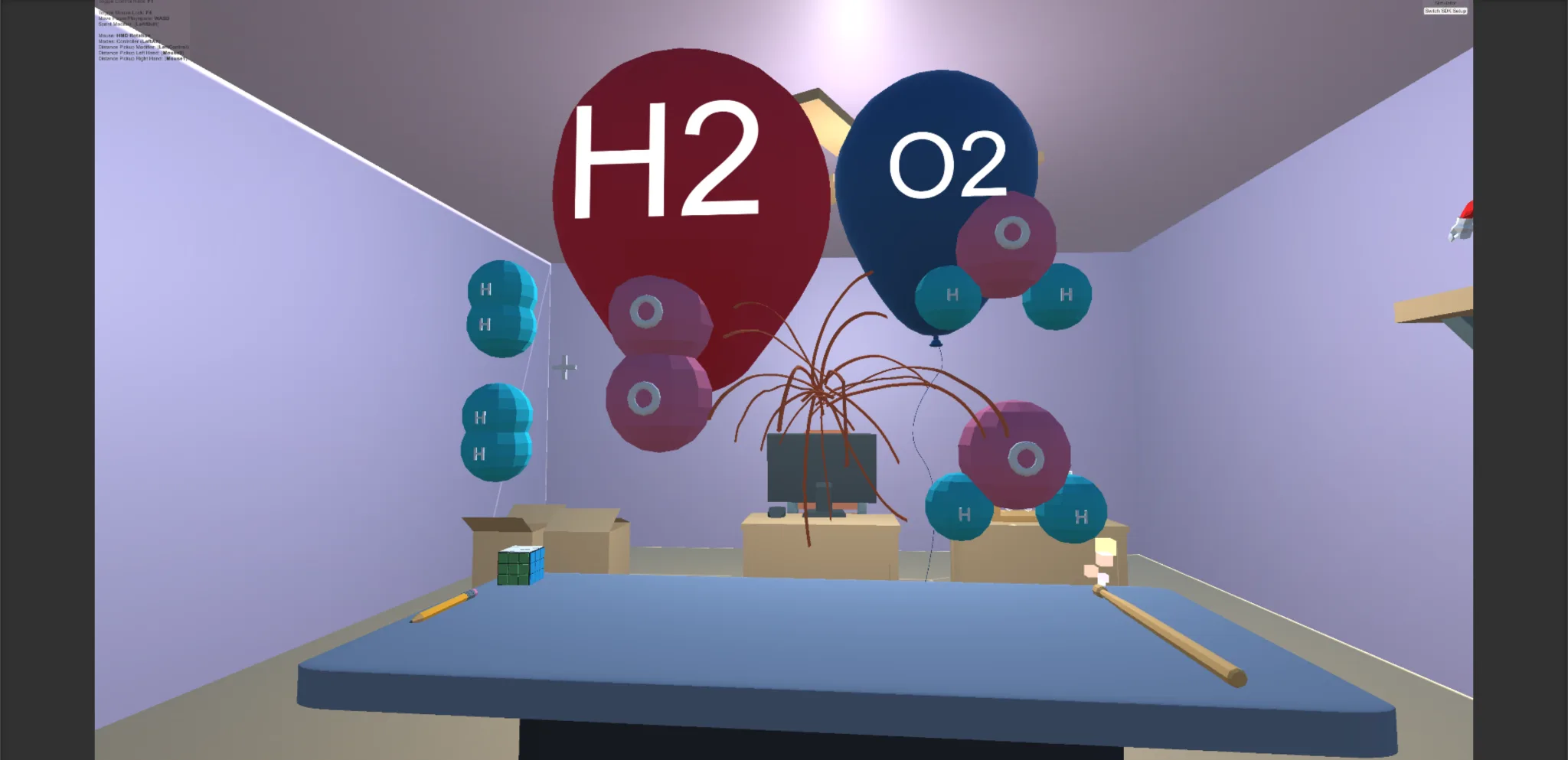
Two demo scenes ship with the toolkit:
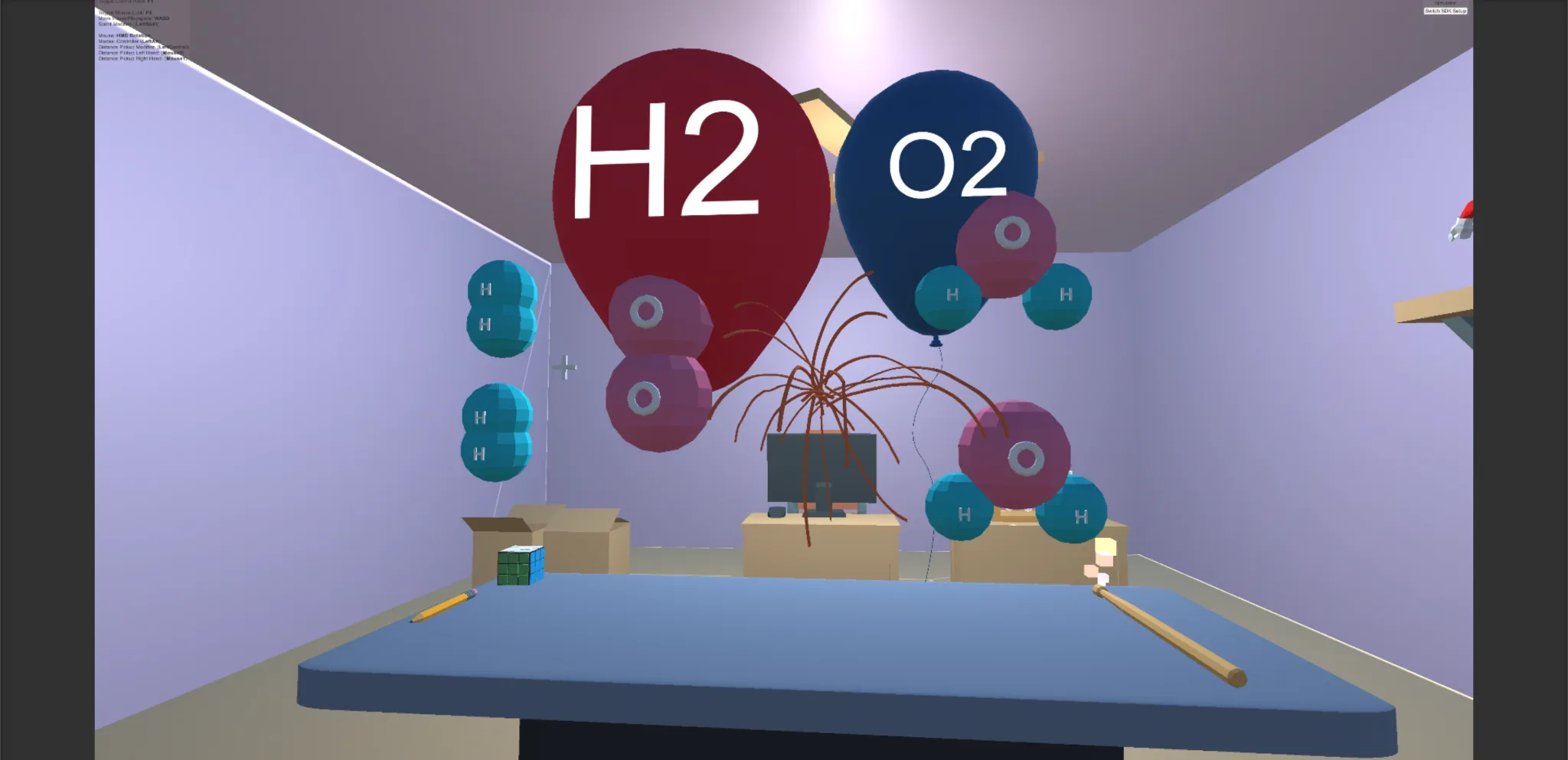
- Virtual chemistry classroom: an interactive experiment showing hydrogen and oxygen combining to form water, manipulated with a VR controller
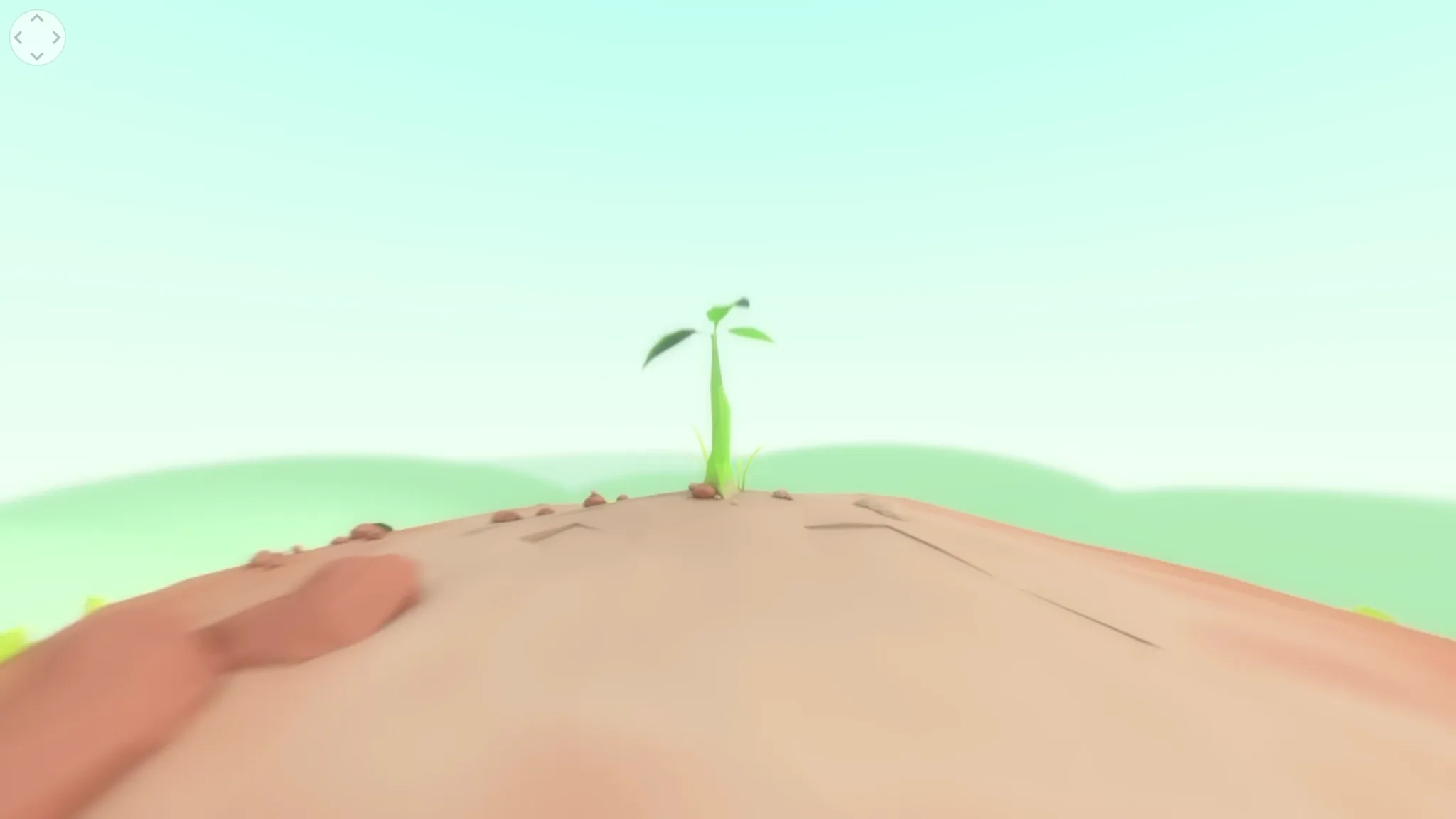
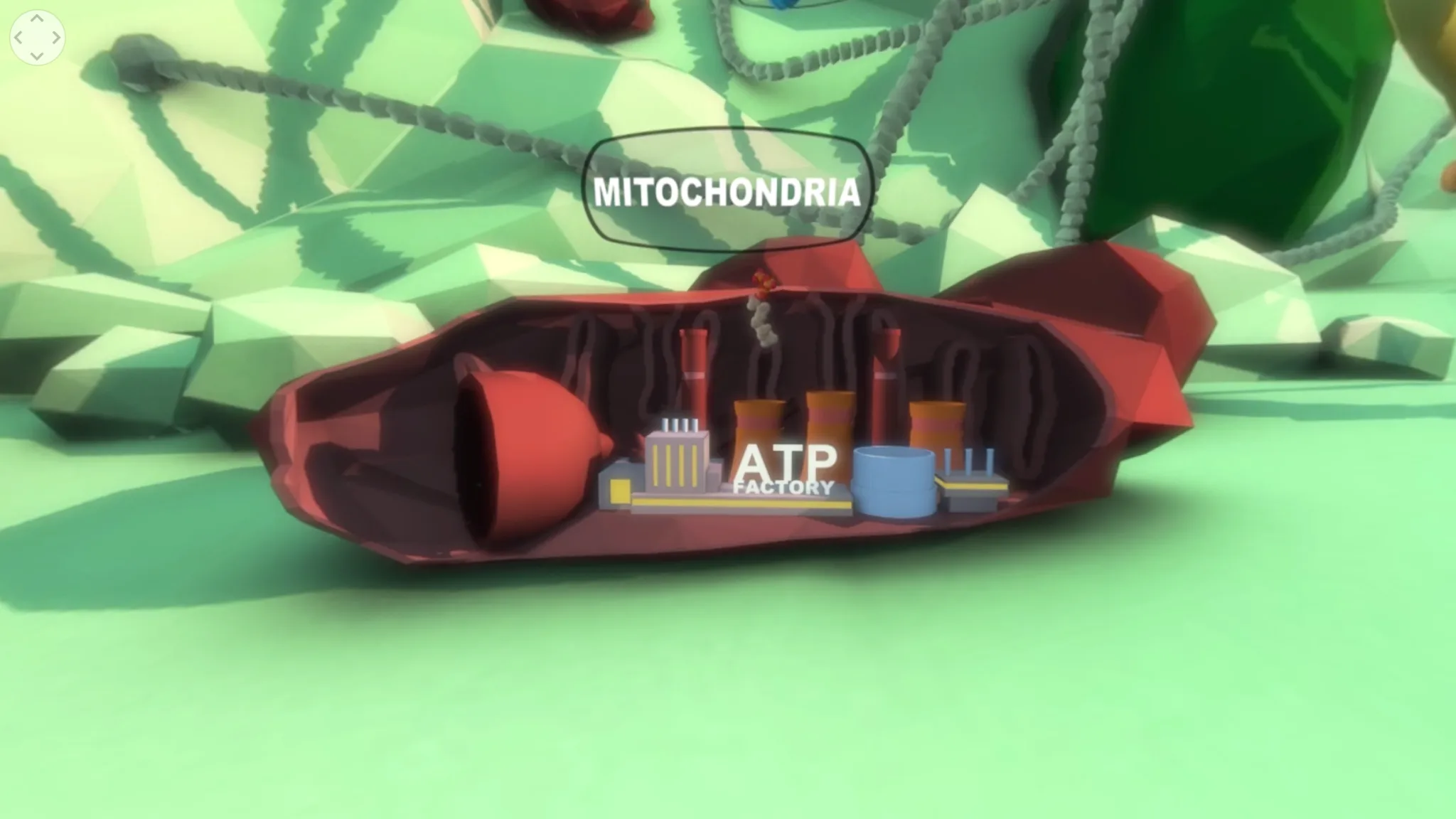
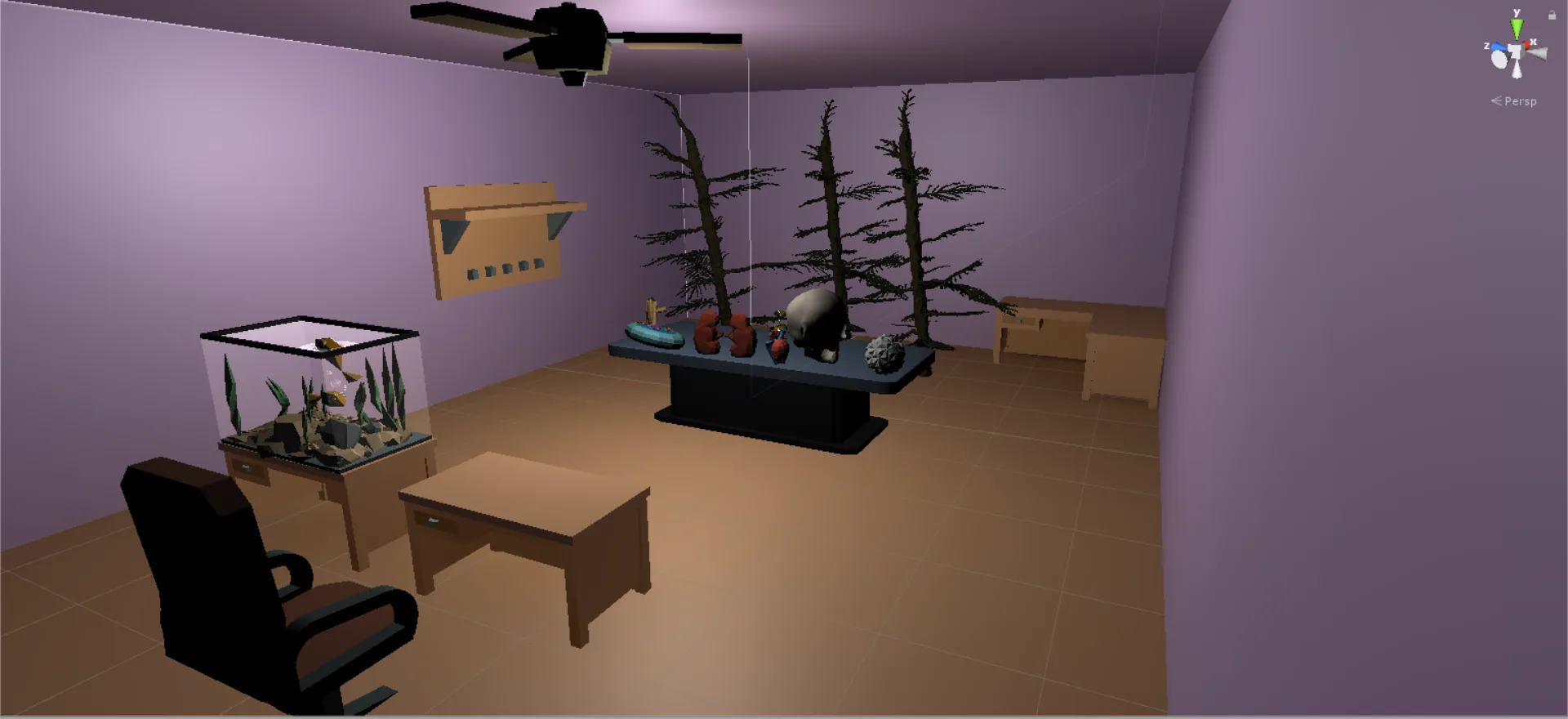
- 360 video scene: a video that transitions into a 3D classroom environment populated with objects from the footage
Built and demoed on Gear VR, but the architecture ports easily to Daydream, HTC Vive, Oculus Rift, and Windows Mixed Reality. I led the team, built the core VR interaction framework and prefab pipeline, and managed the GitHub repo and DevPost. We presented a live demo at the closing ceremony and won the Fulcrum GT prize for best commercial viability of an open source project.
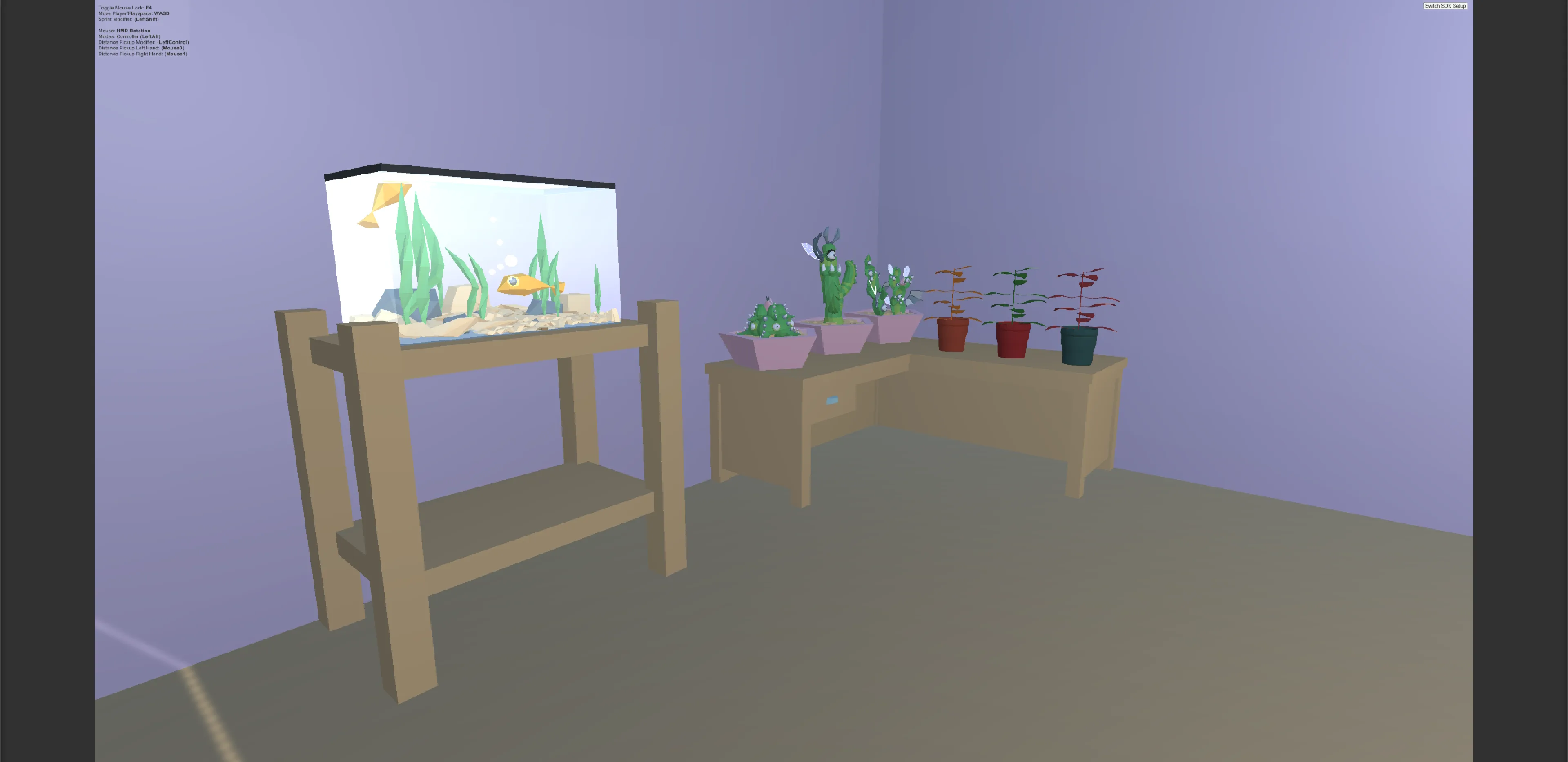
Below is the closing ceremony presentation:
FREQUENTLY ASKED QUESTIONS
What are the problems with VR in education?
Challenges include high hardware costs, limited school access, and insufficient teacher training. Educators also struggle with content creation since traditional VR development requires coding skills. This toolkit removes that barrier with no-code creation tools.
Can non-coders create VR educational content?
Yes, with the right toolkit. This HackIllinois project specifically targeted educators and content creators who lack programming experience, providing visual tools and templates to build immersive VR learning experiences without writing code.
What tools do you need to create educational VR experiences?
You typically need a VR headset for testing, a development platform (like Unity with visual scripting or a no-code VR builder), and educational content to transform into interactive experiences. This toolkit bundles these components into an accessible package for beginners.