SYS.BLOG
Procedural Dungeons Unity Toolkit Released
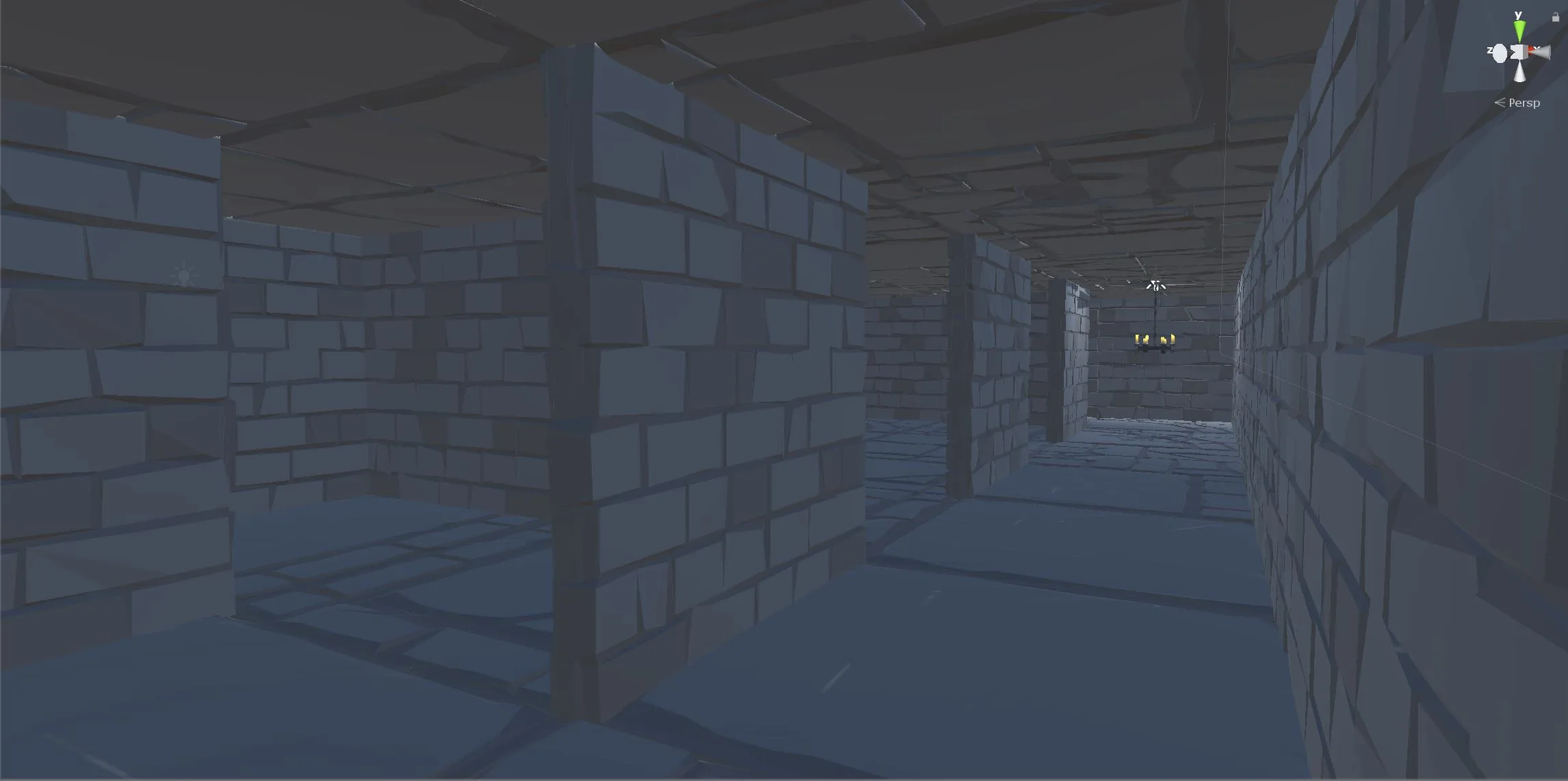
An open-source Unity asset that procedurally generates dungeons and mazes at runtime from tiles or room prefabs, with procedural object population. MIT licensed.
This Unity asset procedurally generates dungeons and mazes at runtime. It can build the physical maze from either tiles that make up the walls, floors, and ceilings, or from prefabs of every room type. It also procedurally populates the maze with objects attached to the walls, floors, and ceilings.
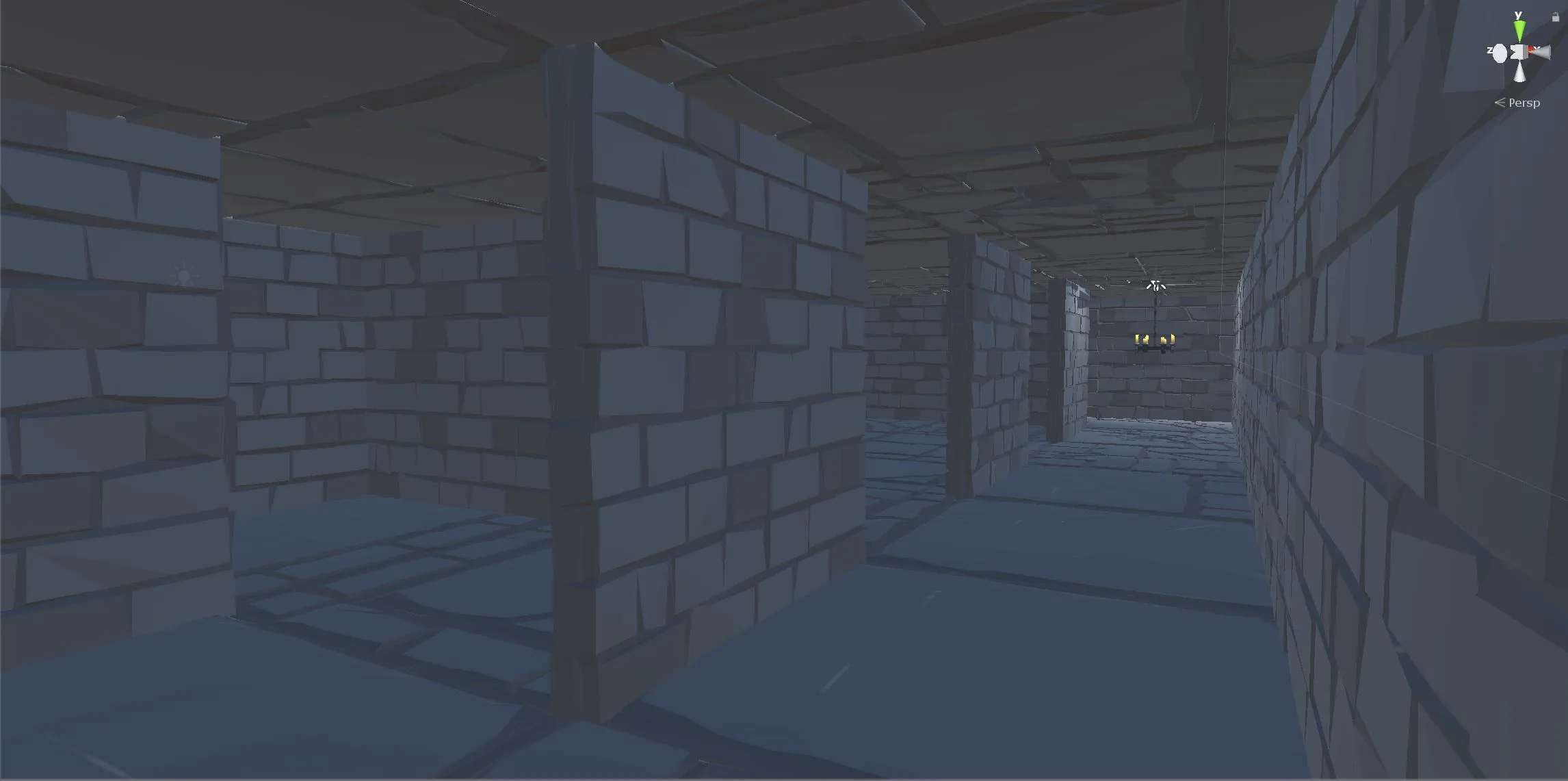
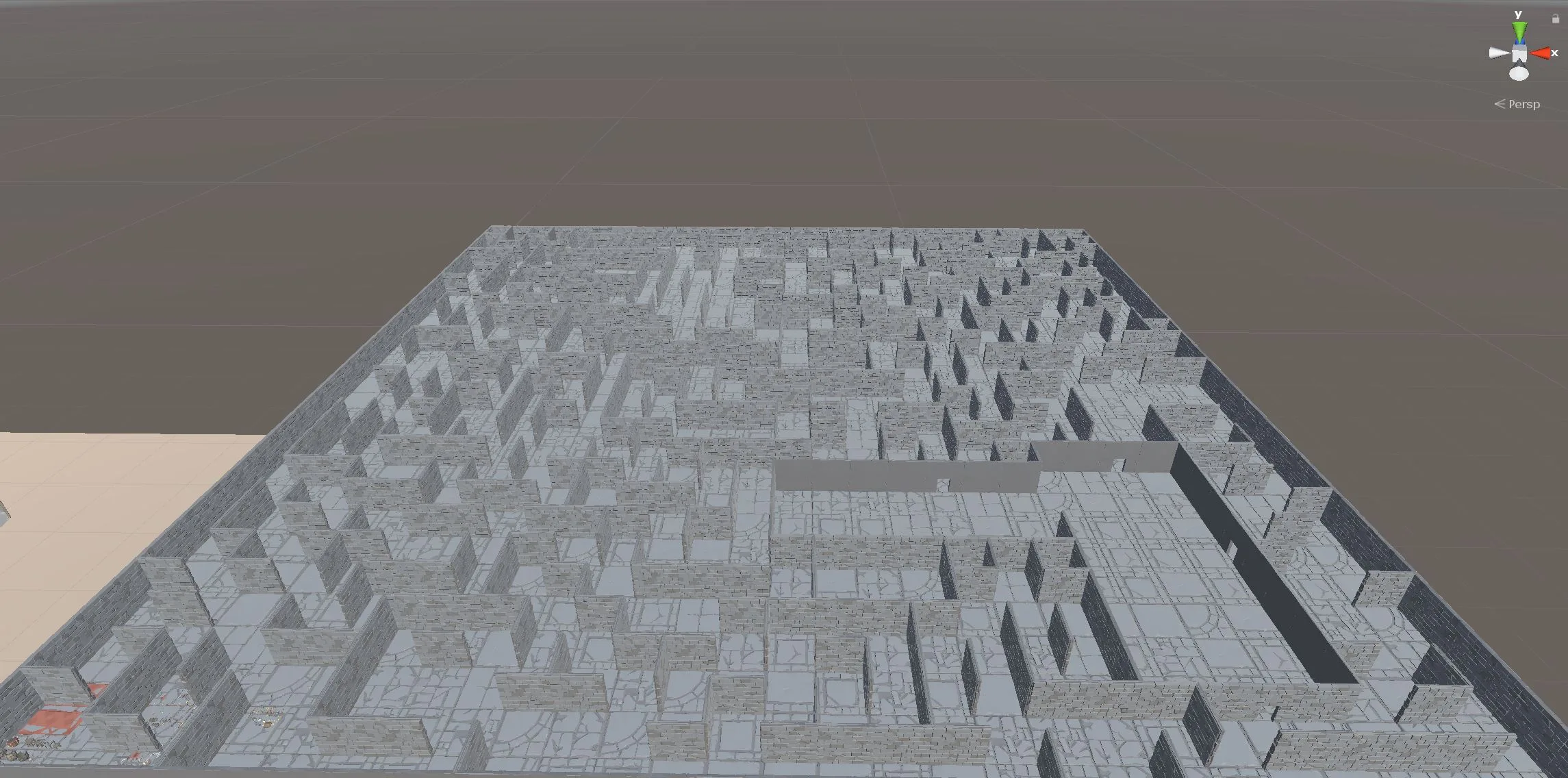
The code is on GitHub: https://github.com/Legorobotdude/ProceduralDungeons
MIT licensed, use it in your projects freely.
FREQUENTLY ASKED QUESTIONS
How does procedural dungeon generation work?
Procedural generation creates dungeons algorithmically using techniques like BSP trees, cellular automata, or random room placement with corridor connections. The system defines rules for room sizes, connections, and content placement to create varied layouts each playthrough.
Can you do procedural generation in Unity?
Unity supports procedural generation through C# scripting. Common approaches include noise functions for terrain, prefab instantiation for rooms, and scriptable objects for configuring generation parameters.
What algorithms are used for dungeon generation?
Popular algorithms include Binary Space Partitioning (BSP) for structured layouts, cellular automata for cave-like spaces, and random walk for organic corridors. Many games combine multiple techniques for varied results.