SYS.BLOG
WebVR Unity Exporter Test
Testing the Mozilla WebVR Unity exporter with three scenes (Campfire, Island, and an interactive default scene) targeting GearVR.
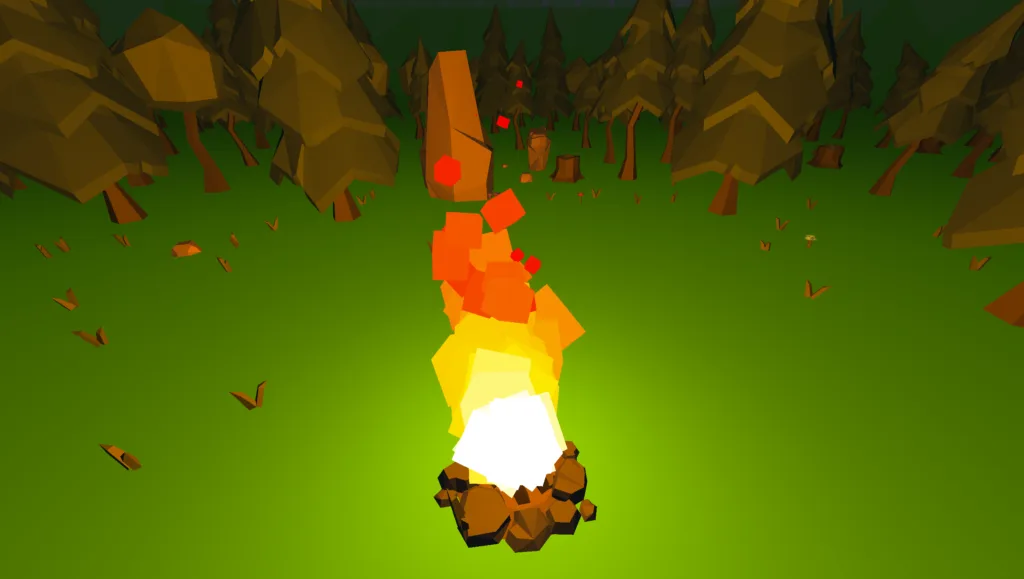
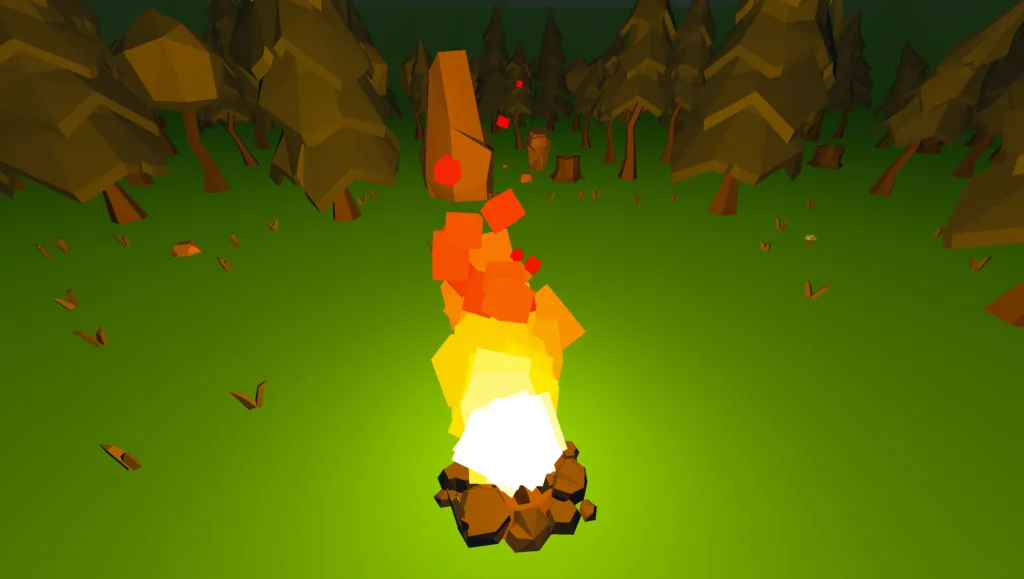 Campfire scene: http://adityabawankule.me/Unity/WebVR/Campfire/index.html
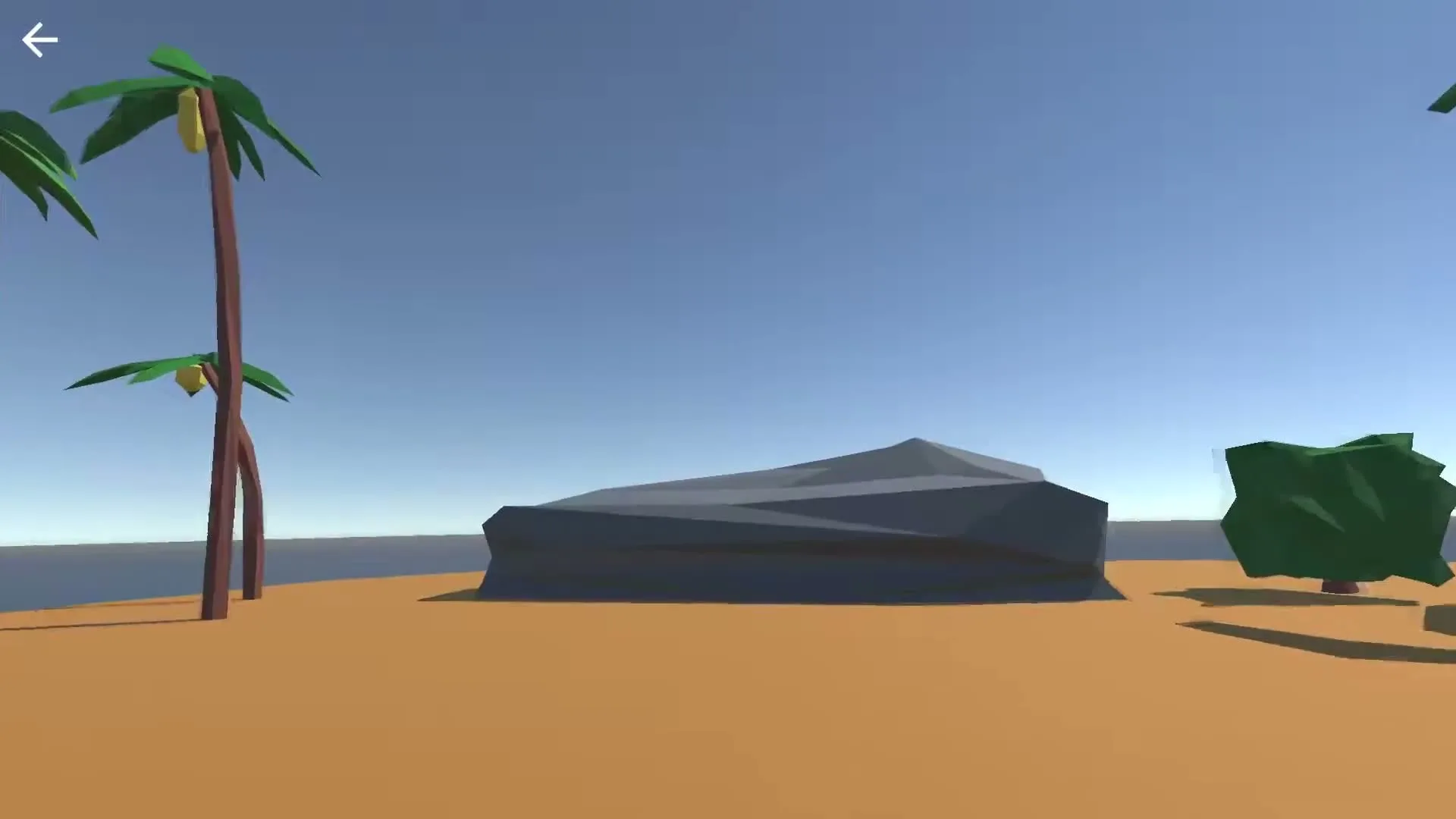
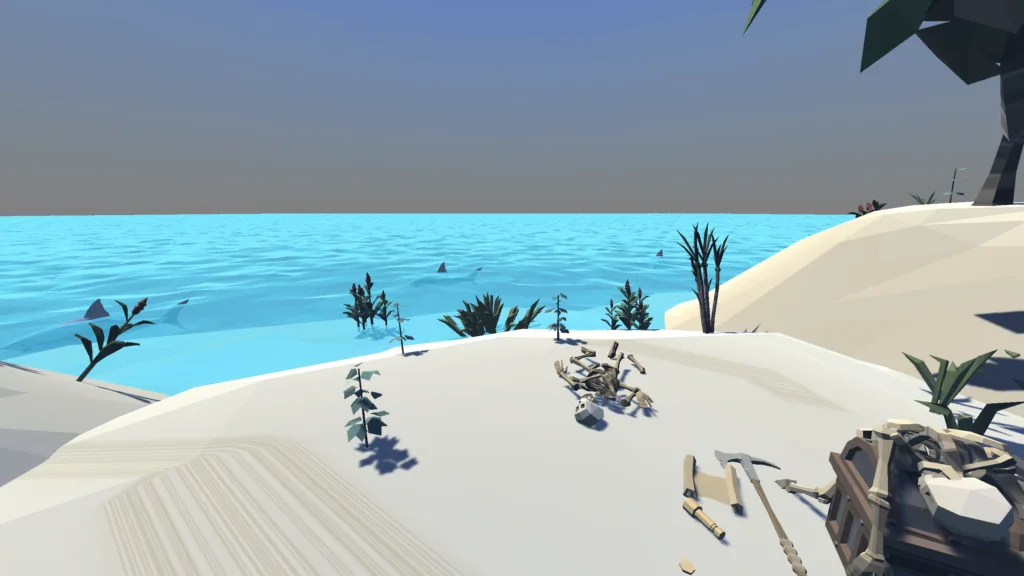 Island scene: http://adityabawankule.me/Unity/WebVR/Beach/index.html
(Sound: "20121014_surf_05.wav" by dobroide of Freesound.org)
Island scene: http://adityabawankule.me/Unity/WebVR/Beach/index.html
(Sound: "20121014_surf_05.wav" by dobroide of Freesound.org)
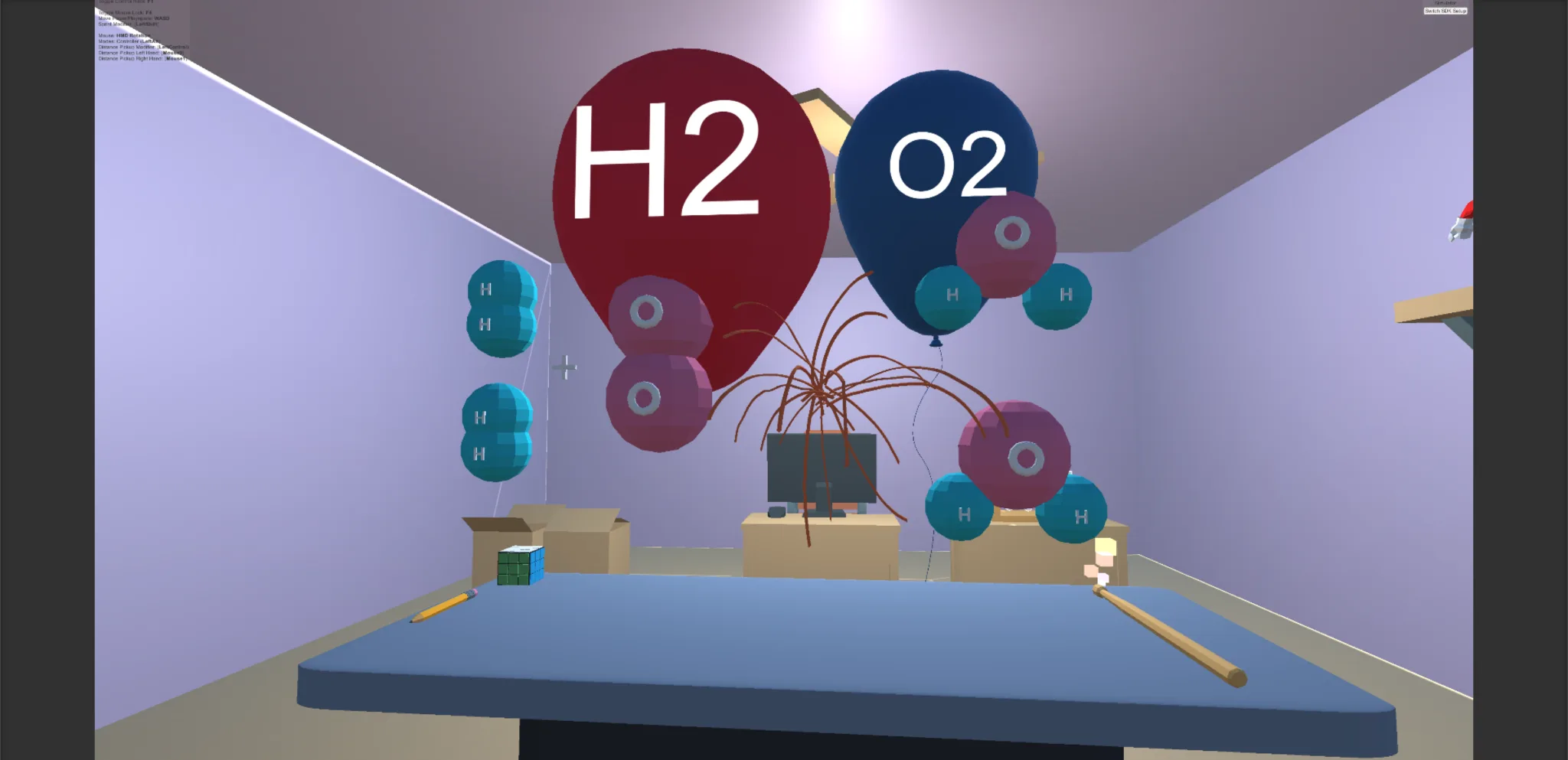
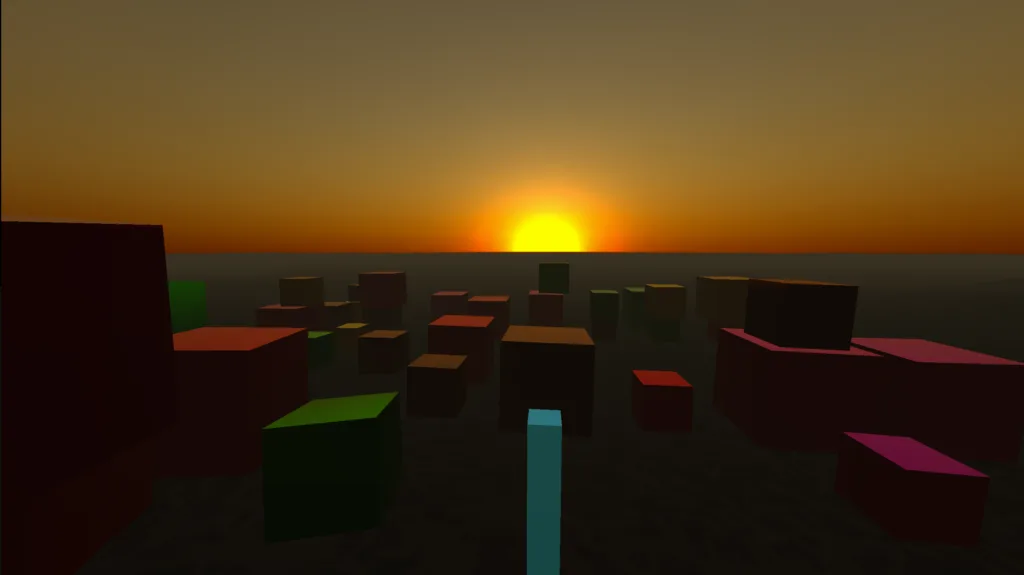 Default scene: http://adityabawankule.me/Unity/WebVR/Test/index.html
New default scene, with interaction: http://adityabawankule.me/Unity/WebVR/Build/index.html
The WebVR implementation seems to work for GearVR pretty well (minus some performance issues), but the Cardboard version doesn't seem to work right now, seems to be a Unity WebGL export problem.
Here is the exporter maintained by Mozilla: https://github.com/mozilla/unity-webvr-export
Default scene: http://adityabawankule.me/Unity/WebVR/Test/index.html
New default scene, with interaction: http://adityabawankule.me/Unity/WebVR/Build/index.html
The WebVR implementation seems to work for GearVR pretty well (minus some performance issues), but the Cardboard version doesn't seem to work right now, seems to be a Unity WebGL export problem.
Here is the exporter maintained by Mozilla: https://github.com/mozilla/unity-webvr-exportFREQUENTLY ASKED QUESTIONS
What was the Mozilla WebVR Unity exporter?
It was an experimental Mozilla tool that exported Unity scenes to run in a web browser with VR headset support. This post tests it with three scenes targeting GearVR, though the tool has since been discontinued along with the WebVR API itself.
Is WebXR/WebVR still supported?
WebVR has been deprecated in favor of WebXR, but WebXR support for Unity is also discontinued with no guarantees of continued functionality. The Mozilla WebVR exporter was an experimental tool from an earlier era of browser-based VR.
What is WebXR and how does it differ from WebVR?
WebXR is the successor API to WebVR, providing broader support for both AR and VR devices including headsets like Quest, Vive, and HoloLens. WebVR was VR-only and has been fully replaced by WebXR in modern browsers.