SYS.BLOG
Mobile Augmented Reality Using Vuforia
Building mobile AR apps with the Vuforia SDK to visualize multi-variable Calculus 3D shapes overlaid on real space.
|Aditya Bawankule
ARVuforiaAndroidUnityCalculus
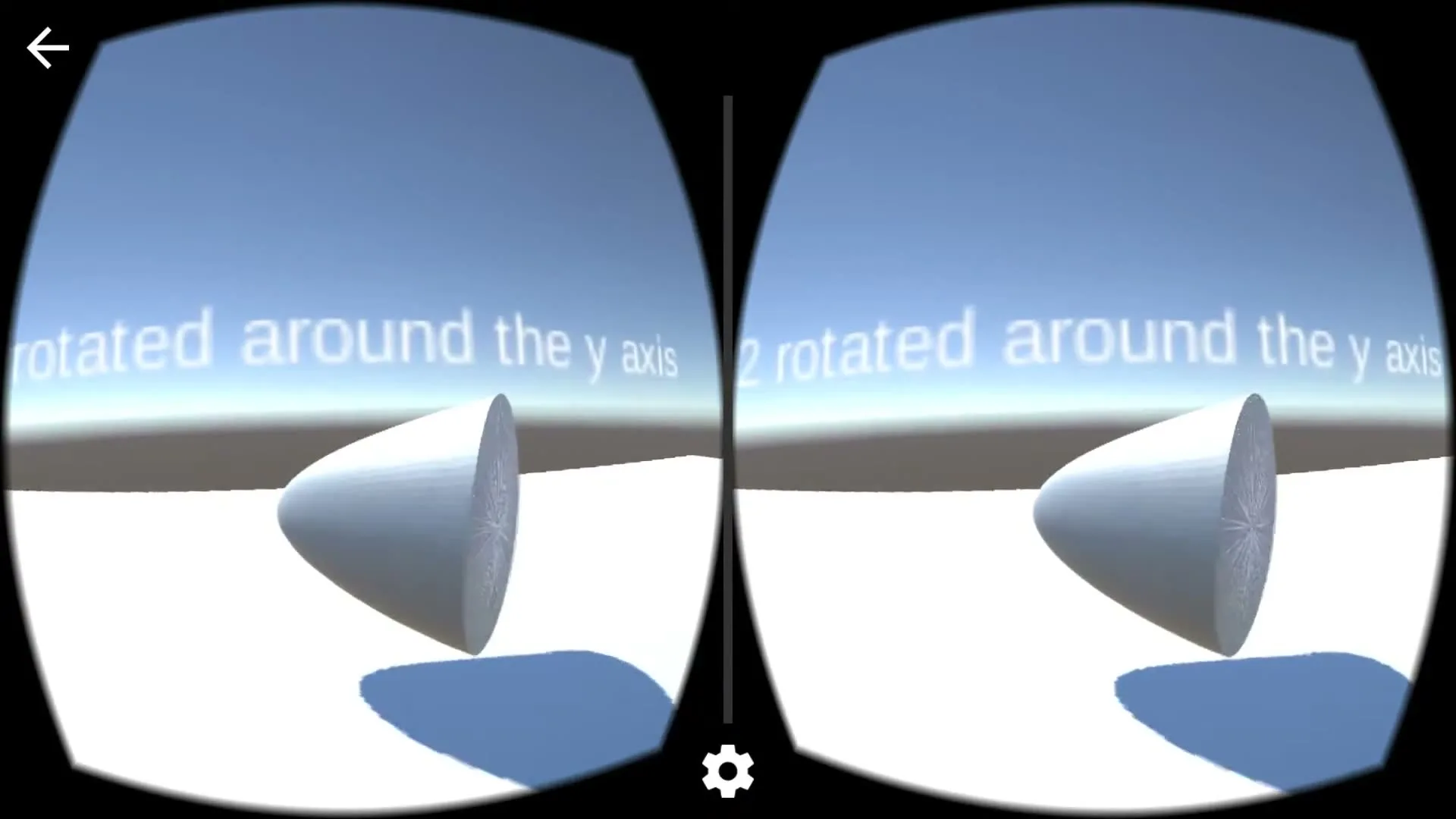
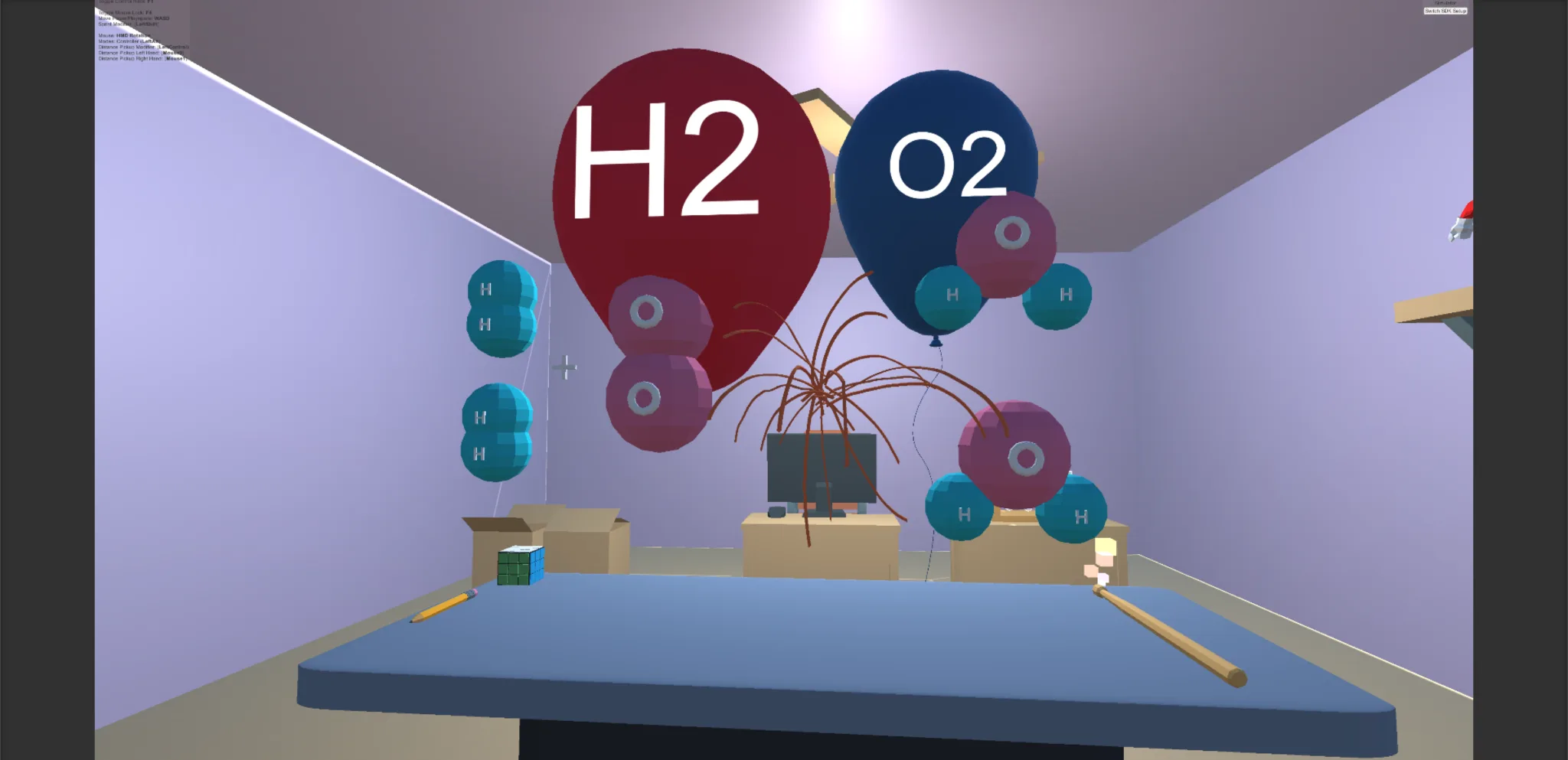
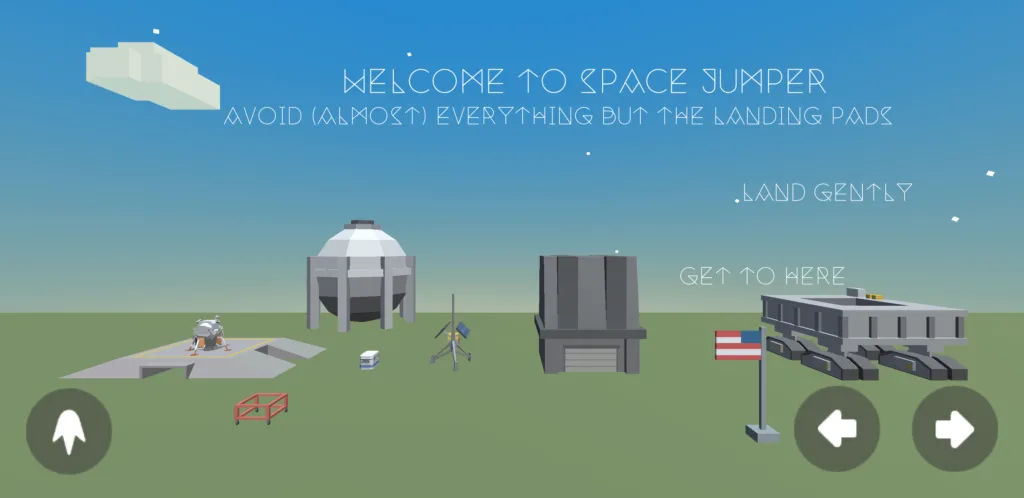
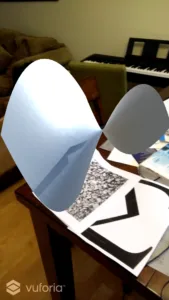
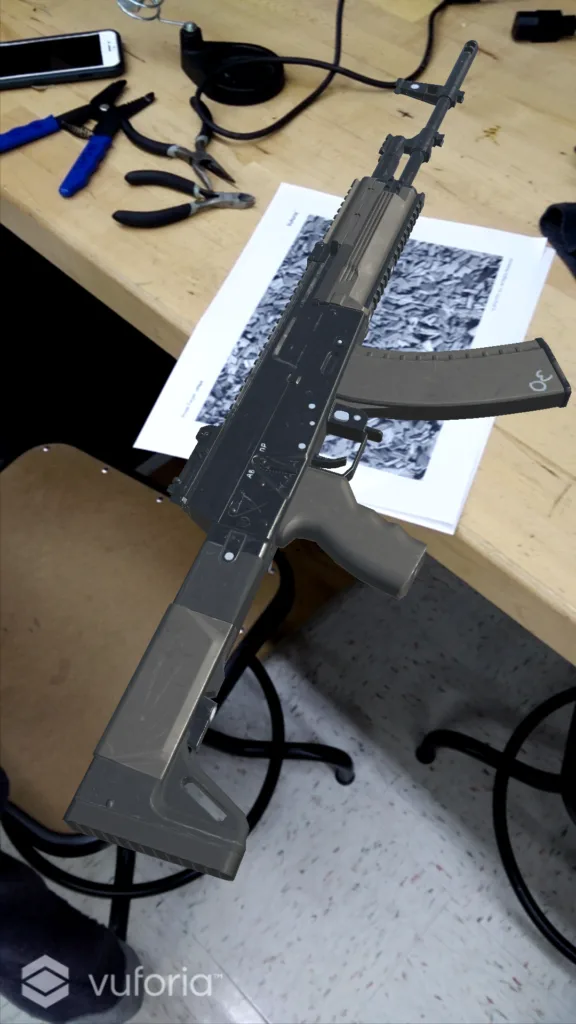
In order to visualize Multi-Variable Calculus 3d shapes in real space as well as other 3D content, I have started developing Augmented Reality apps using the Vuforia SDK. Here are some screenshots from what I have done so far:
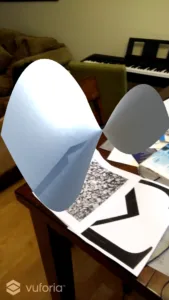
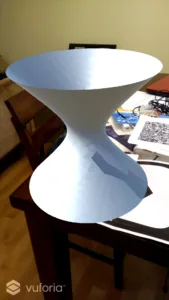
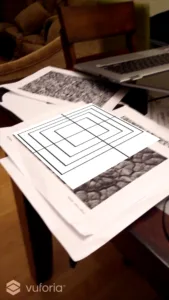
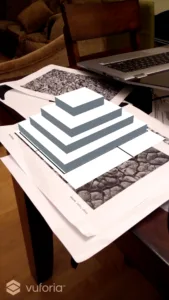
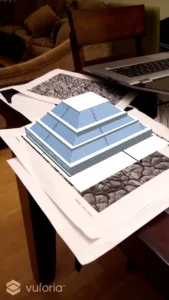
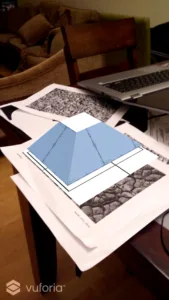 The previous 4 images showcase the 3d visualization of a height map. The first one shows the 2d version of the map, and the second one shows what it would look projected upward in 3D. The 3rd one shows how the 3D height map and actual shape line up, and the last image is just the actual shape projected over the height map.
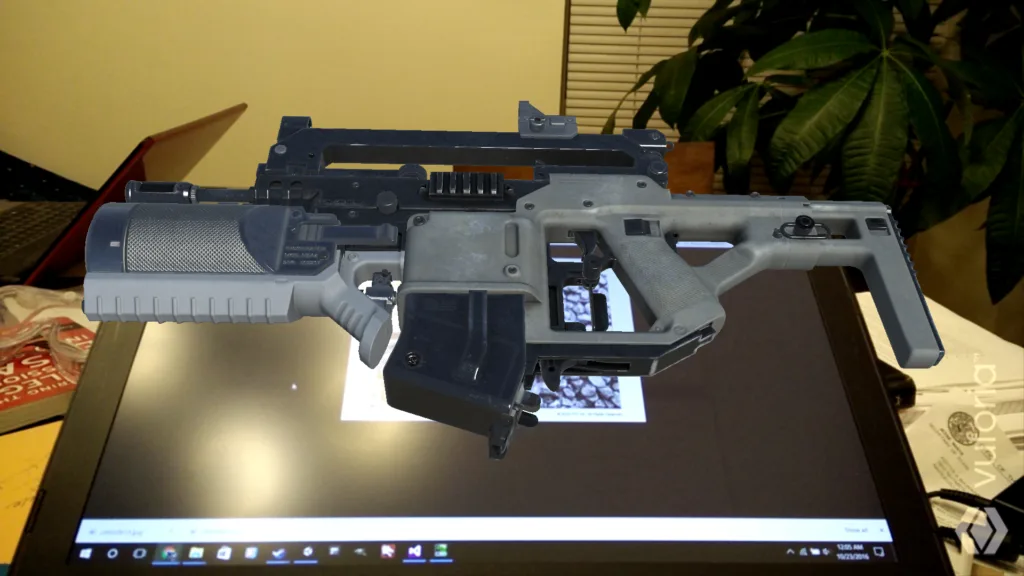
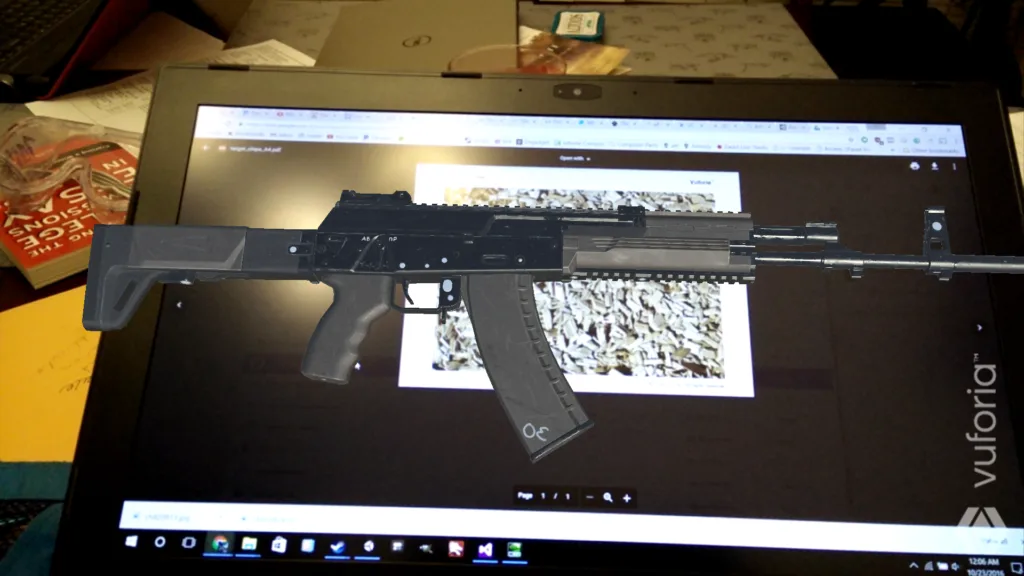
The previous 4 images showcase the 3d visualization of a height map. The first one shows the 2d version of the map, and the second one shows what it would look projected upward in 3D. The 3rd one shows how the 3D height map and actual shape line up, and the last image is just the actual shape projected over the height map.
FREQUENTLY ASKED QUESTIONS
Is Vuforia free to use for mobile AR apps?
Vuforia Engine's Basic plan is free for building and publishing AR apps. However, premium features like Model Targets, Area Targets, and Barcode Scanning require a paid Premium plan.
What coding language does Vuforia use with Unity?
Vuforia Engine integrates with Unity via a C# API. For native development on Android, iOS, and UWP, it provides a C API.
How does Vuforia image tracking work?
Vuforia uses the Device Pose Observer for robust tracking, allowing AR content to persist even when the target image leaves the camera view. It analyzes image features to detect and anchor virtual objects to real-world markers.